Download
Studies

Innovative potential of a circular economy: Market study of the agricultural and food industry in North Rhine-Westphalia


Project aim:
The objective of this market study is to assess material flows in the various plant and animal production sectors of the agricultural and food industry. The market analysis thus contributes to the identification of the innovation potential of the INGRAIN project.   
INGRAIN is financed by the programme "Wandel durch Innovation in der Region (WIR)" of the Federal Ministry of Education and Research and aims at a structural transformation by establishing a cross-sectoral and resource-saving circular economy. The sectors concerned are agricultural, textile and food production in part of North Rhine-Westphalia.

Activities of ECOZEPT:
The market analysis aims to identify waste and co-product streams and provides recommendations for their optimised and cross-sectoral use. In addition, relevant actors in the agriculture and food sector in the Rhine mining district are identified. The study is based on an analysis of the raw material potential of the existing agriculture and food industry. Then, based on the assumptions and guiding questions of the study, an expert survey is conducted in the food and agricultural industry. This qualitative and semi-directive survey is conducted by telephone with representatives of all the links in the targeted sectors.

Client:
Niederrhein Univeristy (Hochschule Niederrhein)

Similar projects

Feasibility study for a multi-product processing plant in Pays Pyrénées-Méditerranée

As part of its Local Food Project (Projet Alimentaire Territorial - PAT), the Pays Pyrénées-Méditerranée wishes to support the structuring and development of a multi-product processing plant dedicated to cutting and processing vegetables and meat. Led by a group of producers, this project has been identified as a key lever for the sector and for providing local residents and tourists access to processed local food.

0more

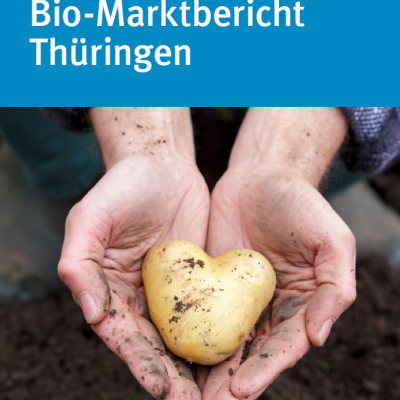
Organic market analysis for Thuringia with special consideration of the sales of organic products in out-of-home catering (status quo and potential)

The Free State of Thuringia's political objective is to promote organic farming specifically, and to enable balanced, market-oriented, environmentally friendly growth during the funding period until 2027. Organic farming plays a key role in producing high-quality food, protecting natural resources, and ensuring species-appropriate animal husbandry, while also creating opportunities for new markets and greater regional value generation.

The study of the Thuringian organic market aims to provide reliable data on organic value chains. It analyses the current supply and demand situation, describes commodity flows and sales markets, identifies regional gaps and surpluses, and highlights opportunities for regional cultivation, processing, and marketing. Particular focus is placed on out-of-home catering (OOH): examining processing options, demand and cost structures makes visible the opportunities and levers for increasing the organic share in OOH, providing guidance for entrepreneurial and political action.

0more

Market potentials of innovative crops in Bavaria

Bavarian agriculture is adapting to changing climatic conditions and consumer habits. The list of crops that can grow under these new conditions is expanding (e.g. lentils, chickpeas, peanuts, sweetcorn, grain millet, buckwheat, quinoa, amaranth, sesame, etc.). The Bavarian State Research Centre for Agriculture (LfL) has set itself the goal of promoting the production of these innovative arable crops by exploring their potential for the production of innovative foods through research and knowledge transfer. In order to calibrate and orientate this support work, the LfL needs an assessment of the market potential.

0more